Reliable Lifting Made Simple
Pre-Lift Assessment and Load Analysis
Every successful heavy lift begins with a thorough pre-lift assessment that establishes the foundation for safe, efficient operations. This critical first step involves gathering detailed information about the load itself, including precise weight measurements, dimensions, and the location of the center of gravity. Without accurate load data, even the most sophisticated rigging plan carries unacceptable risk.
Determining the exact weight of industrial equipment or structural components requires more than consulting manufacturer specifications. Modifications, attachments, residual fluids, and accumulated debris can significantly alter actual weight from documented values. Professional load analysis employs certified scales, load cells, or engineering calculations that account for every variable. The center of gravity calculation proves equally essential, as an improperly balanced load can shift during the lift, creating dangerous swing conditions or equipment failure.
The assessment must also evaluate load configuration and structural integrity. Some loads feature irregular shapes, asymmetrical weight distribution, or fragile components that dictate specific rigging attachment points. HVAC units destined for commercial rooftops, for instance, often contain delicate refrigerant lines and control panels that cannot bear lifting forces. Industrial machinery may have weak points where standard rigging would cause structural damage. Identifying these constraints early allows rigging specialists to design custom lifting arrangements using specialized slings, spreader bars, or protective padding.
In the Mableton area, where summer humidity often leads to afternoon thunderstorms between June and September, weather windows play a vital role in pre-lift planning. Wind speed restrictions typically limit mobile crane operations when sustained winds exceed 20 mph or gusts reach 30 mph, conditions that occur frequently during storm fronts moving through the region. Scheduling lifts for early morning hours often provides the most stable atmospheric conditions before thermal heating generates convective activity.
Site Inspection and Access Evaluation
The physical site where the lift will occur demands equally rigorous evaluation. A detailed site inspection identifies ground conditions, overhead obstructions, underground utilities, access routes, and operational clearances that determine crane positioning and load paths. This assessment directly influences equipment selection and establishes the practical boundaries within which the operation must function.
Ground bearing capacity represents one of the most critical site considerations. Crane outriggers or tracks concentrate enormous loads onto relatively small footprints, creating ground pressures that can exceed several tons per square foot. Soil conditions vary dramatically even within a single site; areas that appear solid may conceal underground voids, saturated clay layers, or inadequately compacted fill. Professional site evaluation may involve geotechnical testing or consultation with structural engineers to verify that existing surfaces can support anticipated loads. When natural ground proves inadequate, crane mats, timber cribbing, or engineered pads distribute weight across larger areas.
Overhead obstacles require careful mapping and measurement. Power lines pose obvious electrocution hazards, but building overhangs, tree canopies, communication cables, and adjacent structures all constrain crane boom movement and load swing radius. A crane inspection before deployment verifies boom length, maximum radius, and tip height against site-specific clearance requirements. In congested urban or industrial environments, three-dimensional modeling software can simulate lift paths to identify conflicts before equipment arrives on site.
Access routes for crane transport and positioning present additional challenges. The industrial corridors around Mableton feature numerous facilities with limited entrance widths, tight turning radii, and weight-restricted bridges that complicate heavy equipment delivery. Hauling services must often coordinate with local authorities to identify permissible routes, secure overweight permits, and schedule deliveries during off-peak traffic periods. Some sites require partial disassembly and reassembly of crane components, extending mobilization time and costs but ensuring equipment reaches the work location safely.
Underground utilities including gas lines, electrical conduits, fiber optic cables, and water mains create hidden hazards beneath crane setup zones and load paths. Georgia law requires utility locates before ground disturbance, but private utilities and abandoned lines may not appear on standard locate services. Hand digging test pits at outrigger positions and along planned routes verifies actual subsurface conditions before applying loads that could rupture critical infrastructure.
Equipment Selection and Crane Specification
Selecting appropriate crane equipment transforms site assessment and load data into actionable parameters. Crane capacity, reach, height, and mobility characteristics must align with job requirements while maintaining adequate safety margins. This selection process considers not only the maximum lift weight but also the radius at which the lift occurs, as crane capacity decreases significantly with increasing boom length and angle.
Load charts provided by crane manufacturers specify lifting capacity at various boom configurations and radii. These charts reflect ideal conditions, flat and level setup, and no dynamic loading. Real-world operations require applying reduction factors for conditions such as lifts over the side rather than over the rear, operations on slopes, or picks involving sudden load transfers. Professional crane rental services maintain detailed specification sheets and can recommend appropriate equipment based on specific lift parameters.
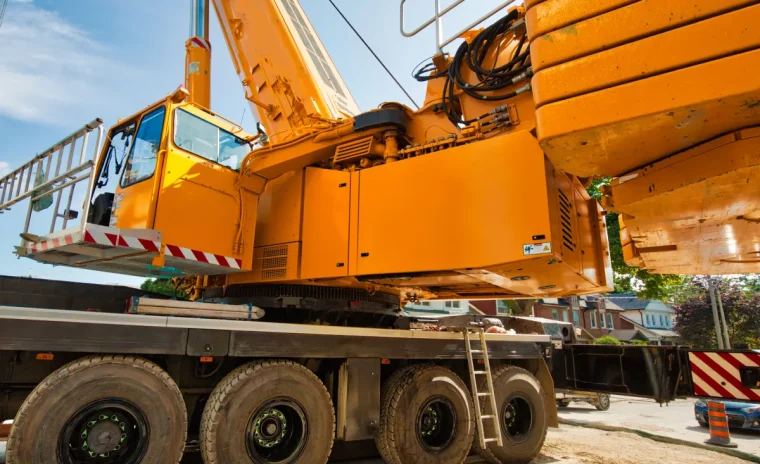
Mobile crane options range from compact truck-mounted units suitable for light loads in confined spaces to massive all-terrain and crawler cranes capable of lifting hundreds of tons. Rough terrain cranes excel in off-road construction sites where paved surfaces do not exist, while truck cranes offer superior highway mobility for projects requiring frequent relocation. Crawler cranes provide exceptional stability and lifting capacity but require specialized transport, as they cannot travel on public roads under their own power.
Boom configuration affects both reach and capacity. Telescoping hydraulic booms offer quick setup and variable length but typically provide less reach than lattice booms at equivalent crane size. Lattice booms can be extended with inserts to achieve greater heights and radii, making them preferable for large structural lifts or situations requiring long reach. Some lifts require jib extensions, fly jibs, or luffing attachments to navigate over obstacles or achieve necessary hook height.
The selection process must also account for crane inspection requirements and certification status. Regulatory standards mandate periodic inspections, load testing, and documentation for commercial lifting equipment. Reputable crane rental operations maintain current inspection records, operator certifications, and insurance coverage that protect all parties involved in the lift. Verifying these credentials before equipment mobilizes prevents project delays and ensures compliance with safety regulations and contractual obligations.
Specialized attachments may be necessary for particular load types. Man baskets for personnel lifts, magnet systems for scrap handling, concrete buckets, or custom lifting frames address unique requirements that standard hook configurations cannot accommodate. Identifying these needs during the planning phase ensures proper equipment availability rather than discovering gaps after mobilization.
Rigging Design and Safety Protocols
Rigging design translates lift planning into physical hardware configurations that connect the load to the crane hook. This phase requires detailed knowledge of rigging components, their rated capacities, and the mechanical principles governing load distribution. Improper rigging represents one of the leading causes of lifting incidents, making this step absolutely critical to operational safety.
Synthetic slings, wire rope slings, chain slings, and shackles each offer distinct advantages and limitations. Synthetic web slings provide excellent load protection and flexibility but can be damaged by sharp edges, abrasion, or chemical exposure. Wire rope slings handle higher temperatures and resist cutting but can damage delicate load surfaces and create pinch points. Chain slings excel in high-heat environments and resist damage from sharp edges but add significant weight and cost. The rigging plan must specify appropriate materials based on load characteristics, environmental conditions, and attachment geometry.
Sling angle dramatically affects the actual load experienced by each rigging component. As the angle between the sling legs decreases from vertical, tension in each leg increases exponentially. A two-leg sling configuration at a 30-degree angle from vertical imposes twice the load weight on each leg, while the same configuration at 60 degrees creates only 1.15 times the load. Professional rigging design maintains sling angles above 60 degrees whenever possible and applies appropriate capacity reduction factors when geometry constraints require smaller angles.
Load attachment points must distribute forces without damaging the load or creating instability. Structural steel members typically feature designated lifting lugs or allow attachment at specific points verified by engineering calculations. Mechanical equipment may require custom spreader beams or lifting frames that engage multiple attachment points simultaneously, preventing concentration of forces at single locations. Padding, softeners, and edge protection prevent sling damage and load surface marring at contact points.
Safety protocols extend beyond hardware selection to include procedural controls. A documented lift plan details every aspect of the operation including personnel assignments, communication methods, emergency procedures, and task sequences. Pre-lift meetings ensure all participants understand their roles, hazard zones, and abort criteria. Test lifts, where the load is raised only inches off the ground, verify rigging integrity, load balance, and crane function before committing to full-height operations.
Exclusion zones prevent unauthorized personnel from entering areas beneath suspended loads or within swing radius. Barricades, flagging, and dedicated spotters maintain these boundaries throughout the operation. Radio or hand signal communication between the crane operator and rigging crew follows standardized protocols that eliminate ambiguity. Many operations employ a dedicated lift director with authority to halt operations if unsafe conditions develop.
Execution, Monitoring, and Post-Lift Verification
The execution phase transforms planning into action, requiring constant vigilance and adherence to established procedures. Even the most thorough planning cannot eliminate every variable, making real-time monitoring and adaptive decision-making essential throughout the lift operation. Experienced operators and rigging personnel recognize subtle indicators of developing problems and respond before minor issues escalate into dangerous situations.
Initial load pickup proceeds deliberately, with crane operators applying tension gradually to verify rigging engagement and load stability. The test lift, raising the load only 6 to 12 inches, allows inspection of all rigging components under actual working loads. Crew members examine slings for proper seating, check for load shifting or rotation, verify outrigger settlement, and confirm crane instrument readings match predicted values. Any anomaly triggers an immediate hold while the crew investigates root causes and implements corrections.
During load movement, smooth crane operation minimizes dynamic loading and reduces swing. Abrupt starts, stops, or directional changes create inertial forces that can exceed static load weight by substantial margins. Professional operators employ gradual acceleration and deceleration, anticipate momentum effects, and adjust boom angle or swing speed to maintain controlled movement. Load spotters positioned to observe the entire load path provide continuous feedback, alerting the operator to clearance issues, unexpected obstacles, or changes in load behavior.
Environmental monitoring continues throughout the operation. Wind speed measurements taken at ground level may not reflect conditions at boom tip height, where wind forces act on both the load and crane structure. Rising winds, approaching storms, or deteriorating visibility provide clear signals to pause operations and secure loads until conditions improve. The region’s propensity for rapidly developing summer thunderstorms makes continuous weather monitoring particularly important for extended lifting operations.
Load placement demands the same care and precision as pickup. Lowering onto final bearing points requires exact positioning to ensure stability and proper load transfer. Temporary supports or blocking may be necessary to maintain position while rigging is disconnected. The rigging crew does not remove slings or shackles until the load is fully supported and verified stable by qualified personnel.
Post-lift verification includes inspecting all rigging components for damage, documenting the operation, and conducting debrief sessions. Slings, shackles, and other hardware are examined for deformation, wear, or other damage that could compromise future use. Load documentation records actual weights, rigging configurations, and any deviations from the original plan, creating valuable reference material for similar future operations. Team debriefs identify lessons learned, near-miss incidents, and opportunities for procedure improvements.
When projects require multiple heavy lifts or ongoing material handling, establishing relationships with qualified crane rental providers and rigging specialists streamlines operations and ensures consistent safety standards. Providers familiar with regional conditions, permitting requirements, and typical project challenges can offer valuable guidance during planning phases and respond quickly when equipment needs change. Crane inspection services verify equipment condition before critical lifts, providing independent confirmation that all systems meet operational standards.