Reliable Lifting Made Simple
How crane type and capacity determine your base rental rate
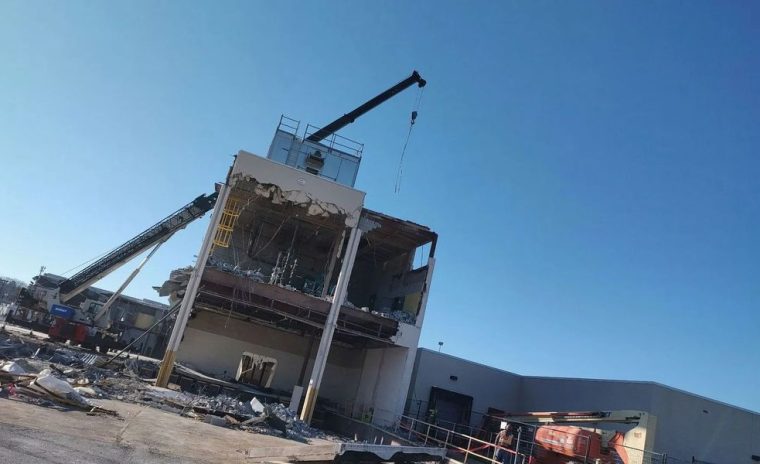
The most significant factor in any crane rental quote is the equipment type and lifting capacity required for your job. Mobile crane rental options range from all-terrain cranes and rough-terrain models to hydraulic truck cranes, each designed for specific applications and weight requirements. A twenty-five-ton hydraulic crane suitable for residential HVAC installations will cost substantially less per day than a two-hundred-ton all-terrain crane needed for commercial steel erection or bridge work.
Capacity requirements directly correlate with rental pricing because larger machines require specialized transport, experienced operators, and higher insurance coverage. When planning your project in the Mableton area, consider that summer construction season often sees increased demand for mid-range cranes (fifty to one hundred tons) as commercial developers take advantage of favorable weather conditions. The red clay soil common throughout Cobb County also influences equipment selection, as softer ground conditions during wet months may necessitate larger outrigger configurations or different crane types entirely, affecting both availability and cost.
Our crane services include a detailed lift plan assessment that matches equipment specifications to your exact load requirements, site constraints, and budget parameters. Rather than defaulting to the largest available machine, we calculate precise load charts, boom configurations, and radius requirements to recommend the most cost-effective crane for your application. This approach prevents over-specification while ensuring complete safety compliance, and for projects requiring extended reach or complex rigging, we provide transparent explanations of how specialized attachments or jibs affect your overall crane rental services investment.
Project duration and scheduling flexibility impact total costs
Crane rentals are typically structured around hourly minimums, daily rates, weekly packages, or monthly agreements, with per-unit costs decreasing as rental duration increases. A four-hour minimum rental for a quick rooftop equipment placement will carry a higher hourly rate than a two-week rental for phased steel installation. Most crane rental services offer pricing tiers that reward longer commitments, making it essential to accurately forecast your project timeline before requesting quotes.
The scheduling component extends beyond simple duration. Last-minute bookings, weekend work, and holiday requirements all command premium rates due to operator overtime costs and equipment availability constraints. In the Mableton market, we see predictable demand patterns where spring and fall represent peak construction windows, making advance scheduling particularly valuable for cost control. Projects that can accommodate flexible start dates or accept delivery during standard business hours Monday through Friday typically receive more competitive pricing than those requiring rigid weekend or after-hours crane services.
Standby time represents another duration-related cost factor that catches many project managers by surprise. When site conditions, delivery delays, or coordination issues prevent the crane from actively working, hourly standby charges apply. We help clients minimize these expenses through detailed pre-job planning, including site readiness checklists, load preparation protocols, and coordination timelines that keep equipment productive throughout the rental period. For complex projects with multiple phases, we structure rental agreements that account for anticipated down periods, providing cost certainty while maintaining equipment availability when you need it.
Location logistics and ground conditions add variable expenses
Site accessibility dramatically influences crane rental costs through transport logistics, setup requirements, and operational constraints. Urban locations with restricted street access, overhead power lines, or proximity to occupied structures require smaller equipment footprints, longer boom configurations, or specialized positioning, all of which affect pricing. Heavy hauling to remote sites or locations without direct highway access adds mobilization charges that can represent a significant portion of your total quote for short-duration projects.
Ground bearing capacity and surface preparation requirements introduce additional variables. The crane must operate from a stable platform with adequate load-bearing capacity to support not just the machine weight but also the dynamic forces generated during lifting operations. Soft soil conditions prevalent in low-lying areas near the Chattahoochee River basin or recently graded sites may require crane mats, outrigger pads, or engineered foundation systems. These ground preparation measures protect both the equipment and your property while ensuring safe operations, but they add material costs and setup time to your project budget.
Our hauling services team conducts thorough site assessments before finalizing quotes, identifying potential access challenges, overhead obstructions, utility conflicts, and ground condition concerns that could affect equipment selection or setup procedures. We coordinate with local utilities when necessary to arrange temporary power line relocations or establish safe clearance zones. For sites with challenging access or limited space, we provide alternative solutions such as smaller cranes with longer booms, multiple mobilizations with different equipment, or creative rigging approaches that accomplish your lifting objectives within site constraints while controlling costs.
Regulatory requirements and insurance coverage affect your quote
Crane operations in Georgia require compliance with state and federal safety regulations, and the associated permit, inspection, and insurance costs flow through to your rental quote. Municipal permits for crane placement in public rights-of-way, street closures, or sidewalk occupancy carry fees that vary by jurisdiction. Cobb County and City of Mableton permitting requirements differ from neighboring jurisdictions, and processing timelines range from same-day approvals for routine placements to several weeks for complex downtown projects requiring traffic control plans or structural engineering reviews.
Crane inspection services represent another mandatory cost component. All lifting equipment must undergo regular inspections and maintain current certifications under OSHA and ASME standards. Reputable providers include these compliance costs in their base rates, but some operators offer lower quotes by deferring maintenance or operating with expired certifications. Verifying that your crane rental services include properly maintained, fully certified equipment with documented inspection records protects you from liability exposure and project delays due to equipment failures or regulatory violations.
Insurance requirements complete the regulatory cost picture. General liability coverage, workers’ compensation for crane operators, and equipment insurance all contribute to the daily rental rate. Projects in sensitive locations near existing structures, over occupied spaces, or involving high-value loads may require additional coverage or higher policy limits. We maintain comprehensive insurance programs that meet or exceed industry standards, and our crane inspection and safety compliance protocols ensure equipment arrives on site with complete documentation, current certifications, and operator credentials that satisfy both regulatory authorities and your project insurance requirements without gaps or surprises.
Skilled operators and rigging services provide value beyond base equipment rates
The crane operator’s skill level and certification credentials significantly influence both rental costs and project outcomes. Certified operators with specialized training in complex lifts, confined-space operations, or specific equipment types command higher wages that translate to increased rental rates. However, this expertise delivers substantial value through faster setup times, more efficient lift execution, and reduced risk of load damage or safety incidents. An experienced operator can often complete in four hours what less skilled personnel might require eight hours to accomplish, making the higher hourly rate more economical in total project cost.
Rigging services add another cost layer that proves essential for safe, successful lifts. Proper load rigging requires specialized equipment including slings, shackles, spreader bars, and lifting beams, along with the expertise to calculate load angles, weight distribution, and center of gravity. Many crane rentals include basic rigging hardware in the base rate, but complex loads, oversized components, or specialized applications require engineered rigging solutions with additional charges. For HVAC and equipment lifting service applications common in commercial retrofits throughout the Mableton industrial corridor, proper rigging ensures expensive mechanical systems reach rooftops or equipment rooms without damage while protecting building facades and existing structures.
Signal persons, dedicated riggers, and lift directors represent additional personnel costs for larger or more complex projects. These support roles ensure clear communication, proper load control, and regulatory compliance during lifting operations. We provide complete turnkey crane services that include all necessary personnel, rigging equipment, and supervision, eliminating the need to coordinate multiple vendors or manage separate contracts. This integrated approach streamlines project execution while providing single-source accountability for lift planning, equipment performance, and safety outcomes from mobilization through completion.